Skipping Silo Inspections? Think Again.
It's easy to overlook your silo, but it's beneficial to make it part of your routine to inspect it for any signs of alteration, such as concrete cracking or roof-top coatings peeling and flaking. While you should regularly examine your silo exterior, the only reliable way to determine what preventive maintenance is needed is to have a professional inspect the silos. Silo inspection is the most effective, preventive method to ensure concrete and steel structures, surfaces, and silos remain safe and fully operational. Professional silo inspection covers more areas of the silo than an in-house inspection. During a professional inspection, experts with experience in inspection and/or a trained silo engineer will thoroughly analyze your silo(s) to identify any major issues. Artificial intelligence (A.I.) supplemental inspections, offered exclusively by Marietta Silos, remove any guesswork regarding exterior silo inspection. Using drone capture technology, Marietta Silos can quickly and precisely inspect external silos or bulk storage containers with extreme accuracy. These images are then run through our A.I. algorithms, which are able to detect even small defects (smaller than 0.1 mm) and map the precise location onto the captured silo image for future examination. Following a thorough, professional silo inspection, you receive a detailed list of recommended silo repairs. Taking action on the proposed silo repairs and maintenance ahead of time will help maintain the silo and lessen the likelihood of costly silo restoration down the line. The cost of preventive maintenance and silo restoration is minimal compared to the financial and physical toll that a full collapse can have on your company and team. Best practices recommend professional inspections at two- to five-year intervals to help identify any issues that could lead to silo failure. For more information on silo intervals, view our video, How Often Should I Have My Silo Inspected, or plan your next silo inspection.
Industries Served by Marietta Silos
Our silo services are as expansive as the industries we serve. From the most difficult silo cleaning, silo maintenance, and silo repair challenges to the most basic – Marietta Silos can handle it all. Top Industries Served by marietta silos: Agricultural Aggregates Biofuels Coal Cement Food & Beverage Manufacturing Power We have an extensive background in silo engineering, construction, inspection, and restoration of concrete silos used in a wide variety of industries. We perform services for facilities storing bulk materials such as carbon, black cement, clay, clinker coal, fly ash, foundry sand, grain products, gypsum, lime, bottom ash, salt, soda ash, and more. No matter what type of structure you have or the material stored, consider Marietta Silos to service your silos or bulk storage structures. Marietta Silos has more experience in silo restoration than any other company in the United States. If you have known or suspected problems, contact us for efficient, cost-effective solutions. Silo Services for Any Industry Whether you store clay, lime, limestone, sand, gypsum, cement, salt, or any other aggregate, our in-house experts can help walk you through all the design, engineering, and construction options we offer to those in the cement and manufacturing industry. We ensure your concrete silo is built safely, economically and will last for years to come. We also have a vast amount of experience restoring and rehooping concrete stave silos, including former agricultural silos that have been adapted for industrial use. Bulk material used in the agricultural industry and the food and beverage industry typically requires a sealed silo interior to prevent material storage. Like other bulk material storage containers, agricultural silos are also susceptible to material buildup and require regular, professional cleaning and other silo maintenance services. Within the power industry, Marietta Silos is the leading constructor of concrete fly ash silos in the country. We have built more fly ash silos than all our competitors combined. Marietta Silos is experienced in design and construction methods that can help increase equipment longevity and operating efficiency by constructing fly ash roof enclosures that provide protection from the environment. We have earned an unparalleled reputation for excellence through extensive experience with concrete fly ash silos with numerous leading power utilities and contractors throughout the United States. Marietta Silos is also highly experienced in silo building and design for bottom ash and fly ash storage silos. In addition to the construction, repair, and inspection of fly ash silos for the power industry, Marietta Silos is also experienced in maintenance and repair services for bottom ash clarifying tanks. Bottom ash is a by-product of a coal-burning power generation facility. After the coal has been consumed, bottom ash remains and must be removed from the bottom of the boilers which typically consists of various metals, slate, and rock. Looking for silo cleaning and maintenance services for your industry? Our sister company USA Silo Service serves numerous industries with silo cleaning, inspection, and maintenance services. Read the latest USA Silo Service blog to learn more about the industries they serve. Learn more about the Industries Served by Marietta Silos.
Make the Most of Your Silo Cleaning
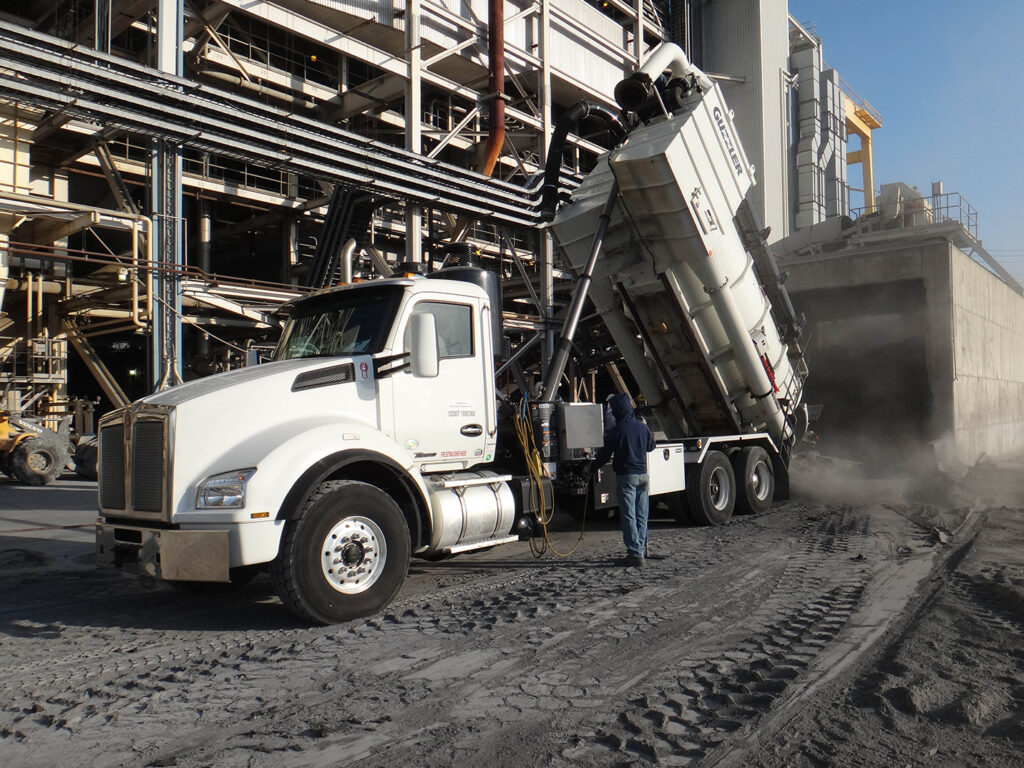
Saving Time and Money on Silo Services After over a century in the silo construction, inspection, and repair industry, Marietta Silos has learned several ways to help our customers save money on silo maintenance. We always recommend a routine, professional silo inspection schedule to help ensure potential problems are spotted and corrected as early as possible. The best time to schedule your silo inspection is after professional silo cleaning. Following a silo cleaning, all areas of the silo interior are visible to our trained silo inspector or silo engineer. This allows them to provide the most in-depth silo inspection and can help ensure interior damage to areas like silo roof beams is caught before it becomes a problem. But how can you save on silo cleanings? Our sister company, USA Silo Service, provides industry-leading silo cleaning services. Together, Marietta Silos and USA Silo Service are able to handle all aspects of your silo maintenance needs, from cleaning and inspection, to repair and maintenance. To truly make the most of your silo cleaning, schedule your silo inspection and minimize downtime and expense while ensuring your silo continues to operate safely and efficiently for years to come. USA Silo Service also provides vacuum truck services that enable customers to recover, recycle, and remove the material buildup that is cleaned from their silo interior. Learn more about the benefits of USA Silo Services Vacuum Truck Services in their latest blog, "Bulk Material Debris Removal and Disposal." Visit USA Silo Service Blog
How to Reduce Silo Repair Costs
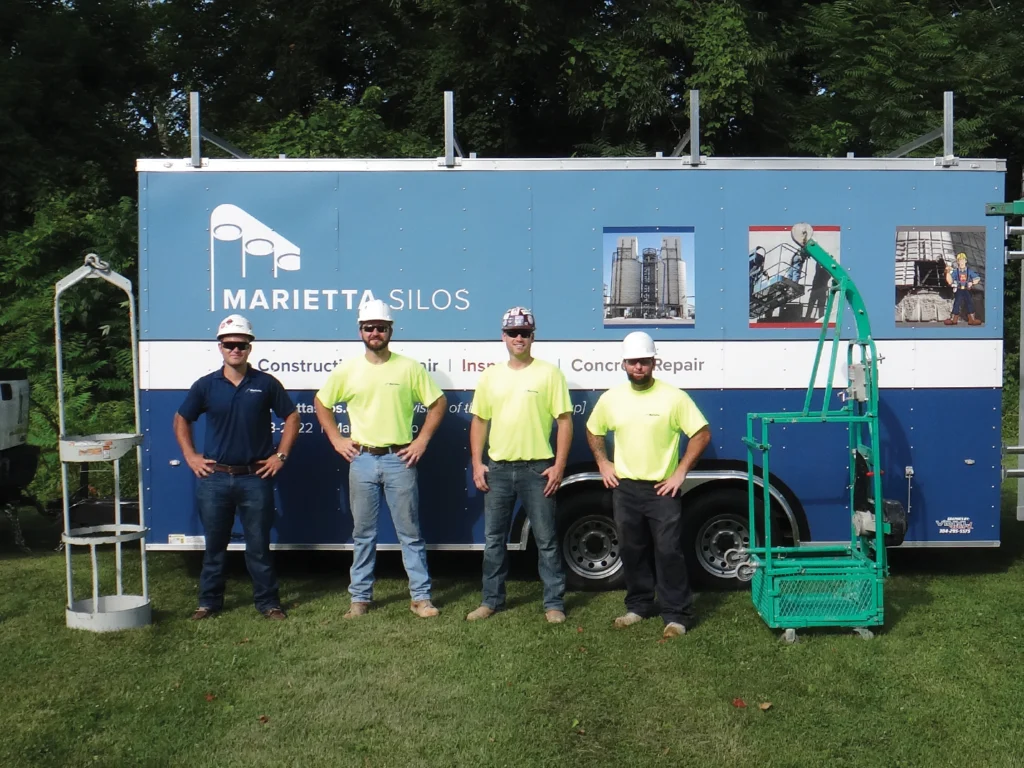
The best way to guarantee the stability and ongoing performance of your silo is to take preventative measures, including regular inspections and maintenance. Catching potential issues as early as possible helps prevent silo failure and keeps repair or restoration expenses low. How long can I wait between silo inspections? Best practices recommend silo inspection intervals between two and five years, depending on several factors. What does a silo inspection include? Silo inspections should include examining the main aspects known to be potential areas of failure. These inspections should include the foundations, walls, cones, discharge configuration, floors, shelves, tunnels, and roofs. For the most thorough inspection, the silo should be empty and a professional cleaning should be scheduled simultaneously. This allows silo cleaning technicians to remove material buildup that could hide signs of internal damage. How can I reduce silo repair or silo restoration costs? While a silo inspection is a great start, it is only as good as your follow-through with recommended repairs, restoration, or other silo maintenance. The sooner you complete a silo repair, the better, as minor silo repairs are always less expensive. To reduce silo repair costs further, complete your silo inspection and silo restoration or silo repair in one mobilization with the Marietta Silos, or USA Silo Service, Mobile Inspection Trailer. Finishing small silo repairs at the same time as your silo inspection reduces additional unplanned downtime and additional trips necessary to get your silo back up and running. Marietta Silos Mobile Inspection Trailer Our mobile staging trailer is designed to carry the essential tools, support equipment and other tools needed for our field crews to work safely and efficiently on silo inspections. Our standard on-site equipment package includes all materials and equipment required to maximize personnel safety per the OSHA Confined Space Standard 29 CFR 1910.146. When requested, Marietta Silos can also transport equipment and materials to complete small and silo restoration and repairs on-site during the inspection. This allows us to complete silo inspections and repair quickly, safely and efficiently in one mobilization. Contact us to schedule your next silo repair, restoration, or inspection.
The Essentials of Silo Engineering
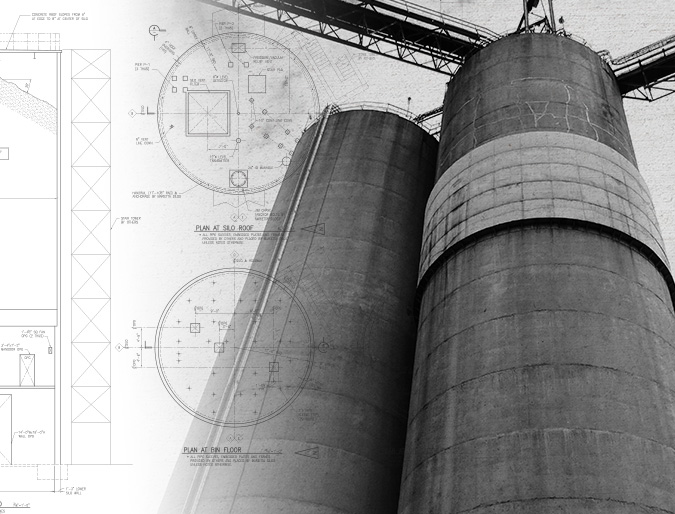
What is silo engineering? Silo engineering takes into consideration numerous elements to ensure the structural integrity of a silo design. The storage capacity you need helps determine the correct silo size, though other factors, including the seismic probability of your location, are also considered. When designing concrete silos, Marietta Silos follows the silo design codes outlined in the American Concrete Institute (ACI) 313-16: Design for Concrete Silos and Stacking Tubes for Storing Granular Materials. As a member of the ACI Committee, we stay on the cutting edge of the latest industry standards and updates. We also often work with an experienced silo engineer to help ensure the structures are designed to withstand external forces and the static pressures exerted by the type of stored material at rest and during flow. What are some important considerations when designing a storage silo? Cement silo construction and concrete silo design consider the stored material, flow patterns, size, and more when creating a custom storage solution. All stored materials flow at different rates and via different flow patterns through a silo. Understanding how a stored material flows through a silo determines whether the silo should be designed with a flat bottom, funnel flow, mass flow, or expanded flow. In addition to considering static pressures of the intended bulk storage material, silo engineers also determine reinforcement arrangements necessary for the silo size and silo construction type, Jumpform, Slipform, or Stave. Loading and unloading needs are also important considerations, as the most critical portions of this design involve the lower part of the silo. This is where large loads from the stored material are channeled. An efficient flow pattern allows for the effective unloading of the silo. Marietta Silos' knowledge and experience mean that our designs will be the best possible designs to fit your needs. Our engineering practices conform with the method that our construction crews utilize for our Jumpform and Slipform systems, so it's important to use Marietta Silos for your silo engineering as well as the silo construction. How much does it cost to build a silo? On average, concrete silos are typically lower in cost than metal silos. However, because so many factors must be considered during silo engineering, setting one standard or fixed price is impossible. When determining the cost to build a silo, it’s best to start with a consultation with a professional silo engineering and construction company, like Marietta Silos, which uses a silo engineer to ensure your silo is designed to be structurally sound and economical for your unique application. What is the difference between a tank, a silo, and a stacking tube? While tanks are used to store liquids, silos are used to store bulk solids for a variety of industries. Stacking tube are much smaller than traditional storage silos. They are often used in coal plants, mines and storage facilities, shipping terminals, and limestone storage. The stacking tube format facilitates an even distribution of coal or limestone into neat piles. While stacking tubes can be constructed using the same Jumpform technology as much larger storage silos, their comparatively small size makes them a less expensive option for industries that do not have as much material to store. What are the advantages of using a silo for bulk material storage? Storage silos let you store materials in a smaller footprint when compared to a horizontal warehouse. When compared to piles, they also provide better protection from the elements. What construction material is better for silos concrete or steel? Concrete offers numerous advantages and provides better structural stability than steel or aluminum in constructing storage silos. Concrete better resists internal pressure that causes buckling, splitting, and other failures of steel silos, like abrasive inner wear from stored materials and corrosion. Using concrete instead of steel to construct storage silos eliminates these risks when combined with proper maintenance and inspection. Concrete silos require minimal maintenance as they are not typically weakened by abrasive or corrosive materials or moist environments that lead to rusting in steel. However, when steel silos experience wall thinning from abrasive storage materials, corrosion from internal or external moisture compounds the risks of silo failure. Ready to start your next silo design project? CONTACT US
Fly Ash Domes and Silos
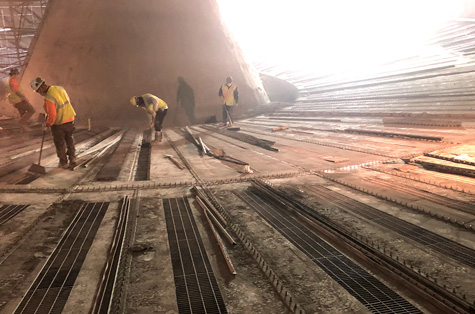
What is Fly Ash? Coal power plants and other industries that burn pulverized coal must manage the resulting byproduct fly ash. When released directly into the air, fly ash negatively impacts air quality. In 2015, the US Environmental Protection Agency (EPA) published requirements for the safe disposal of coal combustion residuals like fly ash.1 Today, fly ash is stored in concrete storage silos and domes and has numerous commercial and industrial applications. In paints, adhesives, and composites, fly ash is used as a filler. In the cement industry, fly ash can be added to mixes to improve concrete durability, make mixes easier to work, and improve permeability. Marietta Silos leads the industry in fly ash silo construction and has constructed more fly ash silos than any other company combined. We have earned an unparalleled reputation for excellence through extensive experience with concrete fly ash silos with numerous leading power utilities and contractors throughout the United States. Marietta Silos is also highly experienced in silo building and design for bottom ash and palletized fly ash storage silos. Storage Domes When it comes to storage dome cleaning and maintenance, it's important to consider how the unique shape impacts material flow and buildup. Regardless of whether domes store cement or fly ash, hardened material will still accumulate along the interior surface. To remove this material buildup from storage domes, specialized equipment used by silo and dome cleaning professionals is essential. Furthermore, the large, domed ceiling can make cleaning of material buildup more challenging. Once fully empty and cleaned, storage domes can be inspected by a trained professional who can recommend necessary maintenance and repairs. It's also a good time to replace or repair existing fluidizing equipment, like air pads, to help ensure continued material flow. Ready for your next dome cleaning? Contact USA Silo Services to Request a Quote. 1 US EPA, O. (2014, December 11). Disposal of coal combustion residuals from electric utilities rulemakings [Other Policies and Guidance]. https://www.epa.gov/coalash/coal-ash-rule.
When Silo Repair Becomes Despair
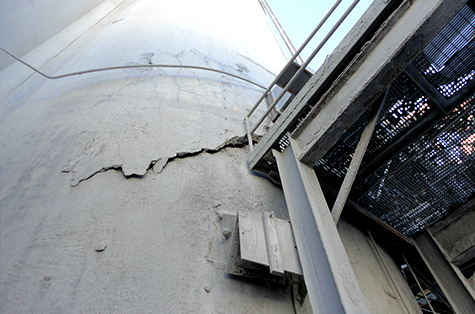
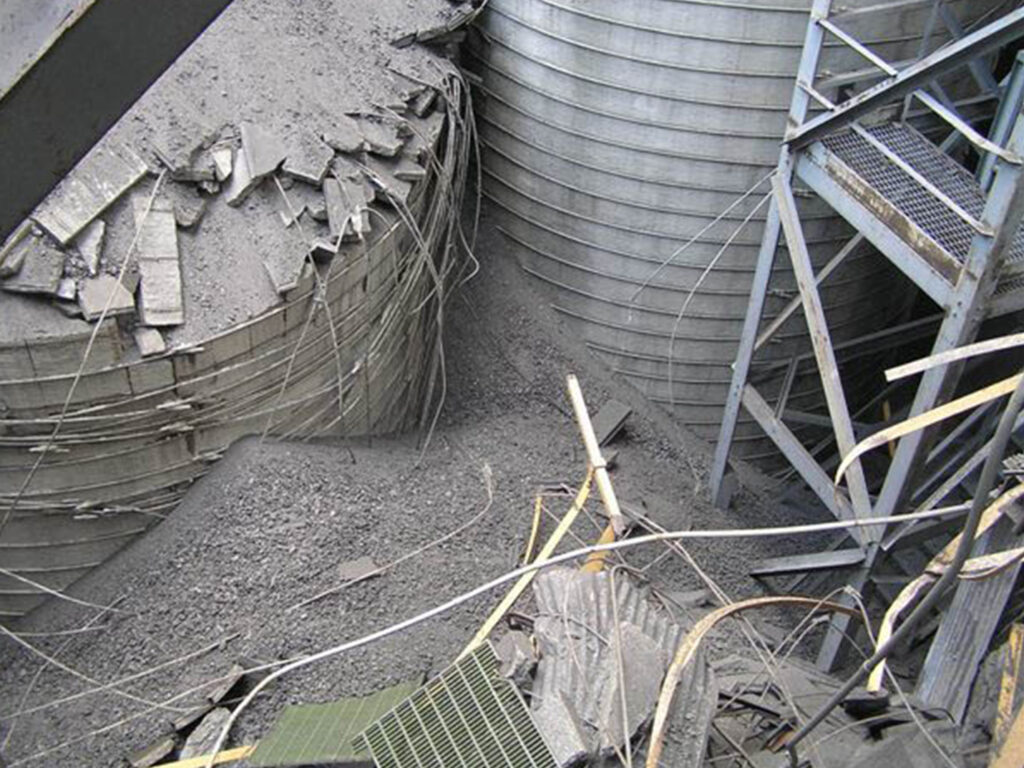
Addressing Silo Emergencies From unplanned downtime and lost revenue to silo failure and loss of life, the consequences can be dire when emergency silo issues arise. Without routine silo inspections, silo repair emergencies and structural failures can seem like they came out of nowhere. Failing to complete preventive maintenance is a leading cause of costly, dangerous silo failure. Addressing minor issues as soon as they arise helps keep the costs of silo ownership low as major repairs, emergencies, and structural failures are more expensive up front, take longer to correct, and inevitably result in unplanned downtime. When emergency silo issues arise, Marietta Silos' team acts quickly to offer emergency services that meet all of your silo needs. Our experts have the experience and expertise to fix your silo problems for good. Preventing Silo Emergencies Though many silo emergencies can be fixed, the best way to protect workers and keep costs low is to prevent silo emergencies from happening in the first place. Regular maintenance and silo inspections are necessary to ensure that silos remain in good working condition and that any issues can be identified and addressed before they become larger problems. Scheduling routine maintenance during temperate times of the year can help you reduce expenses by catching and addressing problems early and reducing downtime. Times of the year with mild weather, like the spring and fall, tend to provide better working conditions for various silo repairs. These ideal weather conditions can make a repair or restoration go more quickly – reducing the cost of labor and your downtime. Contact us to schedule your next silo repair, restoration, or inspection.
Cement Silo Cleaning
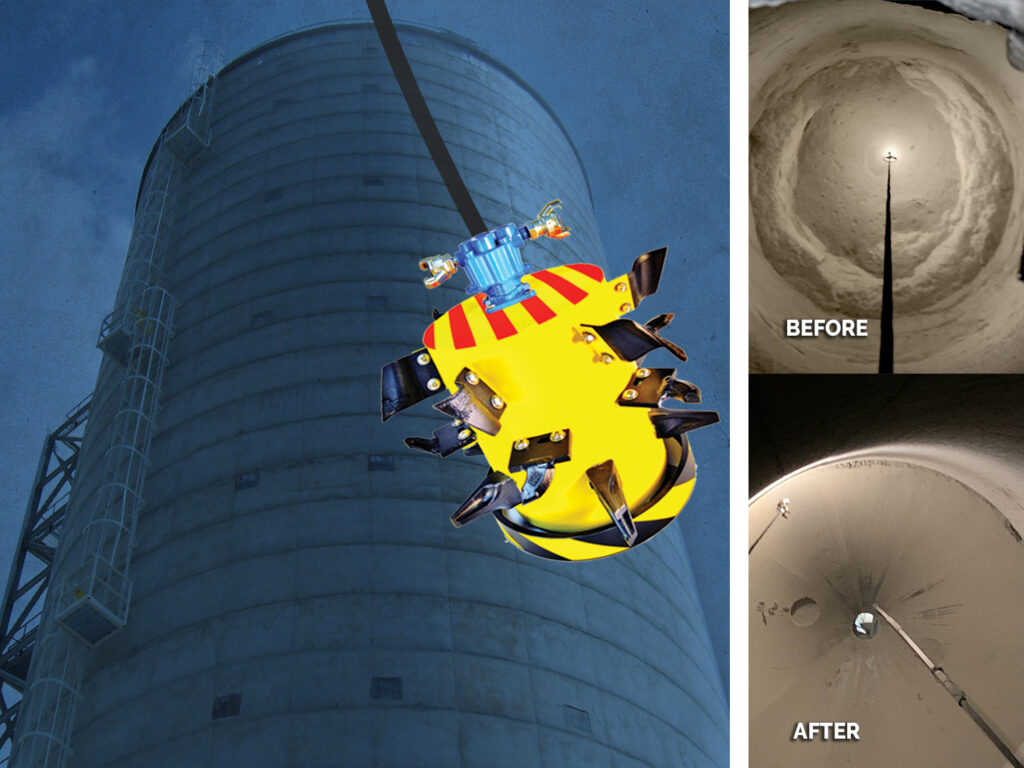
Cement plant facility managers understand the importance of limiting downtime and ensuring cement silos maintain optimum storage capacities. However, without a routine inspection, cleaning, and maintenance schedule, moisture intrusion and/or impaction can lead to material buildup, blockages, and material flow issues. Air pads and other fluidizing equipment also needs to be inspected and serviced regularly by a professional silo cleaning company to ensure correct operation. These common silo problems can cause shifts in the production schedule that greatly impact the bottom line. How do you clean a cement silo? USA Silo Service can clean, inspect, and maintain your cement storage silo or dome. For nearly thirty years, we've repeatedly seen that our enhanced pneumatic cleaning method with our proprietary cleanout head, The Boss™, is the most powerful silo cleaning method available. The USA Silo Service cleaning solution is 2/3 more powerful than conventional cleaning methods. In addition, since The Boss moves more material per hour, our system delivers optimal cleaning quickly and correctly, resulting in less downtime and production loss, ultimately saving you money. How do you improve cement plant operations? Cleaning, inspecting, and maintaining your cement silo is one of the best ways to improve your cement plant operations. A clean, well-maintained silo not only helps you stick to production schedules and yield maximum production, it also helps you ensure the quality of your product and protect employee safety. Schedule your next silo cleaning today. The Boss silo cleaning machine and USA Silo Service can help you return to a regular silo cleaning schedule to maximize efficiency, production, and safety. Get a Quote for Cement Silo Cleaning
Production Delays? Call in The Boss.
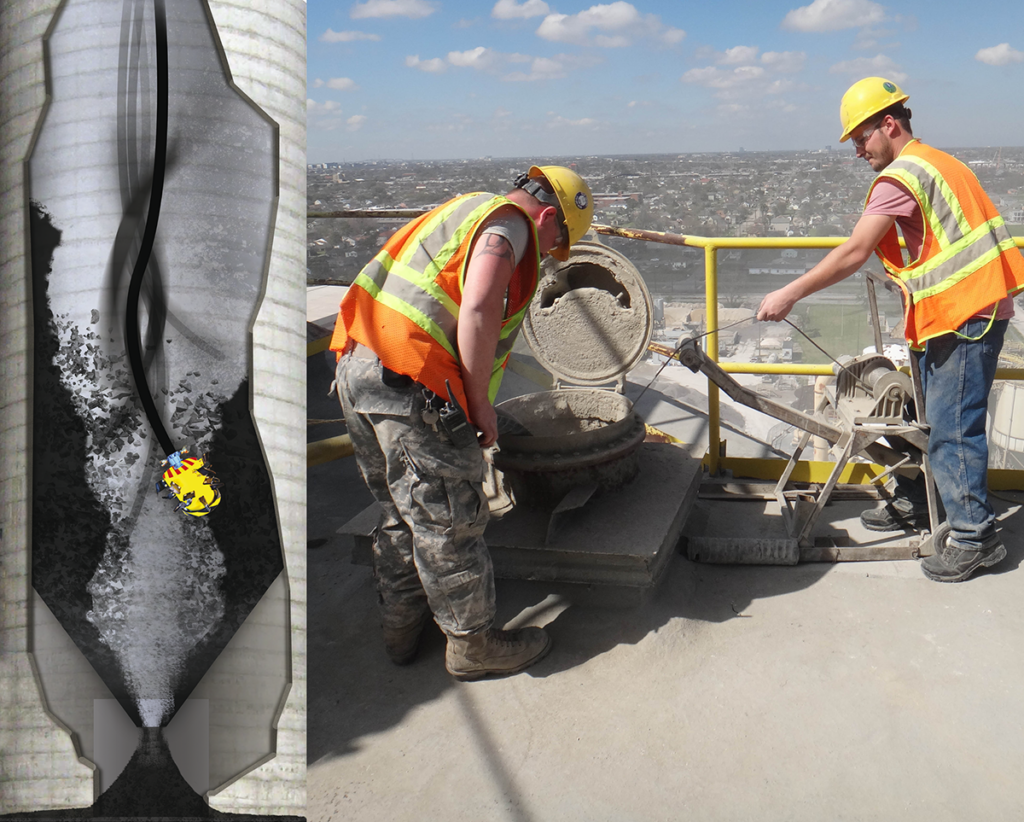
Fast-Track Your Next Silo Cleaning Hung-up, clogged or slow-running silos are a problem. They impact efficiency and hurt your bottom line – not to mention your silo structure. The Boss™ accelerates the cleaning process, minimizing downtime and time spent on-site to give you immediate cost savings. Our proprietary system moves more material than conventional silo cleaning methods so our customers can return their silos to full capacity more quickly. With over 30 years of silo cleaning experience, USA Silo Services has seen numerous cases where material buildup hampered productivity. Check out a few of these examples below. Fast-Track Your Next Silo Cleaning Hung-up, clogged or slow-running silos are a problem. They impact efficiency and hurt your bottom line – not to mention your silo structure. The Boss™ accelerates the cleaning process, minimizing downtime and time spent on-site to give you immediate cost savings. Our proprietary system moves more material than conventional silo cleaning methods so our customers can return their silos to full capacity more quickly. With over 30 years of silo cleaning experience, USA Silo Services has seen numerous cases where material buildup hampered productivity. Check out a few of these examples below. Gypsum Byproduct Silo Cleaning A gypsum silo with significant product buildup along the walls created a productivity bottleneck. The silo suffered from rat holing that allowed for only restrictive material flow and reduced the storage capacity by 75%. Using The Boss silo cleaning machine, USA Silo Service restored the production schedule in only a few days. FULL CASE STUDY Gypsum Byproduct Silo Cleaning A gypsum silo with significant product buildup along the walls created a productivity bottleneck. The silo suffered from rat holing that allowed for only restrictive material flow and reduced the storage capacity by 75%. Using The Boss silo cleaning machine, USA Silo Service restored the production schedule in only a few days. FULL CASE STUDY Fly Ash Silo Cleaning A fly ash storage silo experienced restricted, asymmetric material flow that slowed production times. Unlike the above gypsum byproduct silo cleaning example, this case was due to several rat holes above the discharge points. To clean this silo, USA Silo Service first had to remove material buildup down through the silo cone. FULL CASE STUDY Fly Ash Silo Cleaning A fly ash storage silo experienced restricted, asymmetric material flow that slowed production times. Unlike the above gypsum byproduct silo cleaning example, this case was due to several rat holes above the discharge points. To clean this silo, USA Silo Service first had to remove material buildup down through the silo cone. FULL CASE STUDY Coal Silo Cleaning A coal storage silo experiencing production delays and asymmetric flow was found to have buildup above the cone level and plugged discharge chutes at the cone bottom. In addition to causing slow material discharge, the issues caused asymmetric flow damaging the silo wall. USA Silo Service quickly removed the blockages before additional structural damage was caused. FULL CASE STUDY Coal Silo Cleaning A coal storage silo experiencing production delays and asymmetric flow was found to have buildup above the cone level and plugged discharge chutes at the cone bottom. In addition to causing slow material discharge, the issues caused asymmetric flow damaging the silo wall. USA Silo Service quickly removed the blockages before additional structural damage was caused. FULL CASE STUDY REQUEST A SILO CLEANING QUOTE No matter the silo type or stored material, USA Silo Service can meet your silo cleaning needs. QUOTE
Silo Disasters: Dos and Don’ts
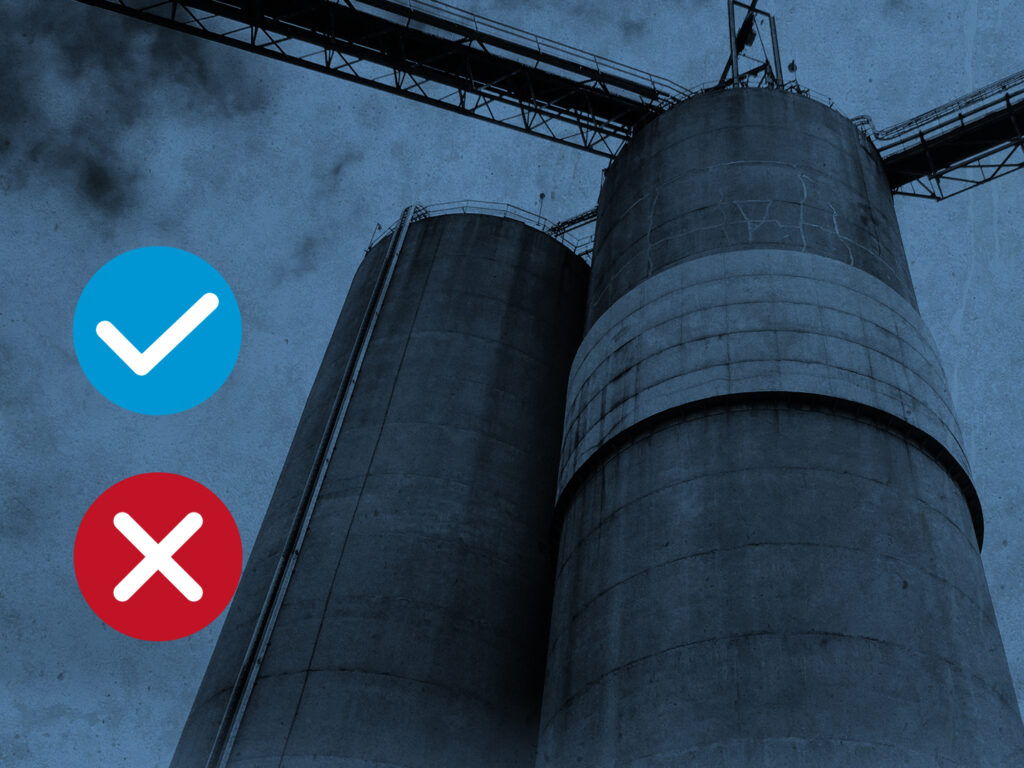
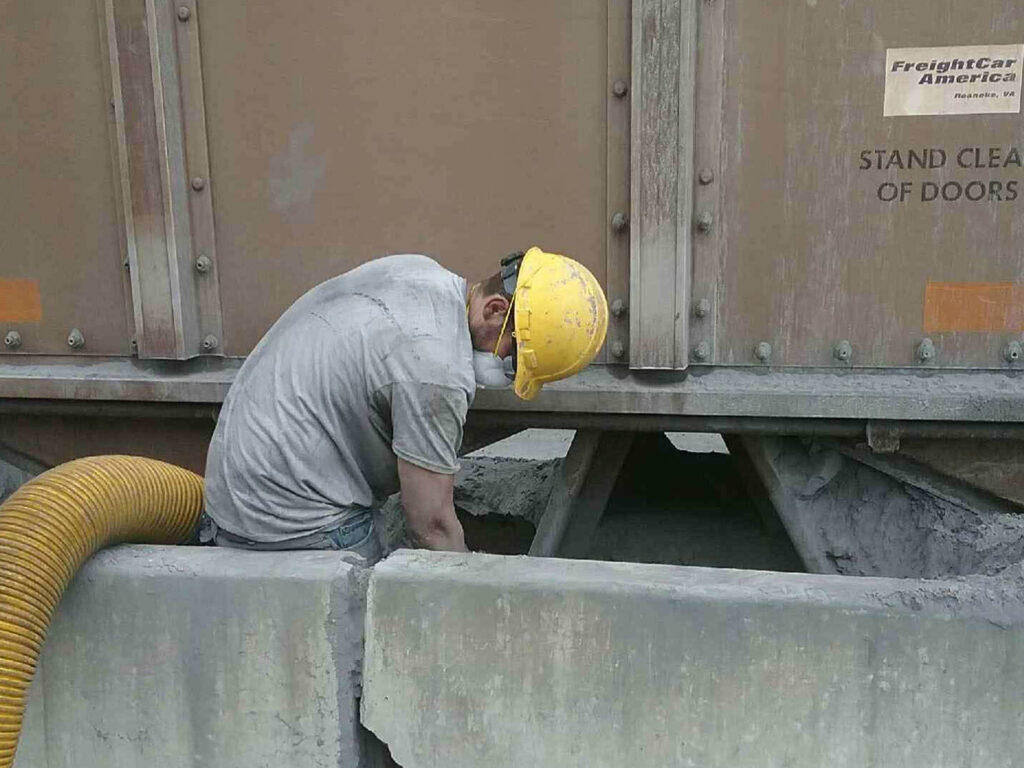
Modern silos have been used since the late 19th century. Yet since that time, their design, construction, and recommended maintenance services have undergone drastic changes to improve safety. Here are the top ways facility owners and managers can help prevent storage silo disasters. Do address material flow issues as early as possible. If you've noticed decreased production in your silo, it's best to schedule a professional silo cleaning. Material flow issues cause strain on silo walls that can result in cracking and even structural failure. Do schedule regular silo cleaning through a trusted professional like USA Silo Service. Through their proprietary cleaning method, The Boss, USA Silo Service moves more material per hour, saving time, money and downtime during silo cleaning. Do conduct regular in-house inspections. It's easy to take your silos for granted, but it's a good idea to get in the habit of inspecting your silo for any changes, including cracking of concrete or peeling and chipping of roof-top coatings. Do follow up with recommended silo repairs, restoration, and maintenance. Following a thorough, professional silo inspection, you receive a detailed list of recommended silo repairs. Implementing the recommended silo repairs and preventive maintenance sooner rather than later helps keep your silo healthy and can prevent larger, more expensive silo restoration later. Don't attempt to clean your silo in-house. Using unskilled workers to break up material buildup is extremely dangerous for your workers and your silo. Falling materials can cause severe injury or death, damage silo cones, and even cause silo-wall failure. Don't enter the silo. Using untrained, in-house workers to enter a storage silo puts workers at risk of injury or death from falling materials as well as toxic fumes and potentially unsafe oxygen levels. Don't use in-house inspections to replace a professional silo inspection, which should be completed at annual, two- or five-year intervals. Professional silo inspection is the only way to identify essential preventive maintenance needs. Trained silo inspectors or silo engineers examine your silos in-depth to look for serious issues and provide preventive maintenance suggestions that can help keep your silo in the best shape possible. Don't attempt to save money by ignoring problems. When it comes to silo repairs, the earlier they're caught, the better. If you have a crack and it's starting to move and expand, this is a sign of silo failure. Call in the experts. Is your silo in need of repair or restoration? Contact us today for a quote. Silo Repair and Restoration Quote Request