
The Boss of Silo Cleaning
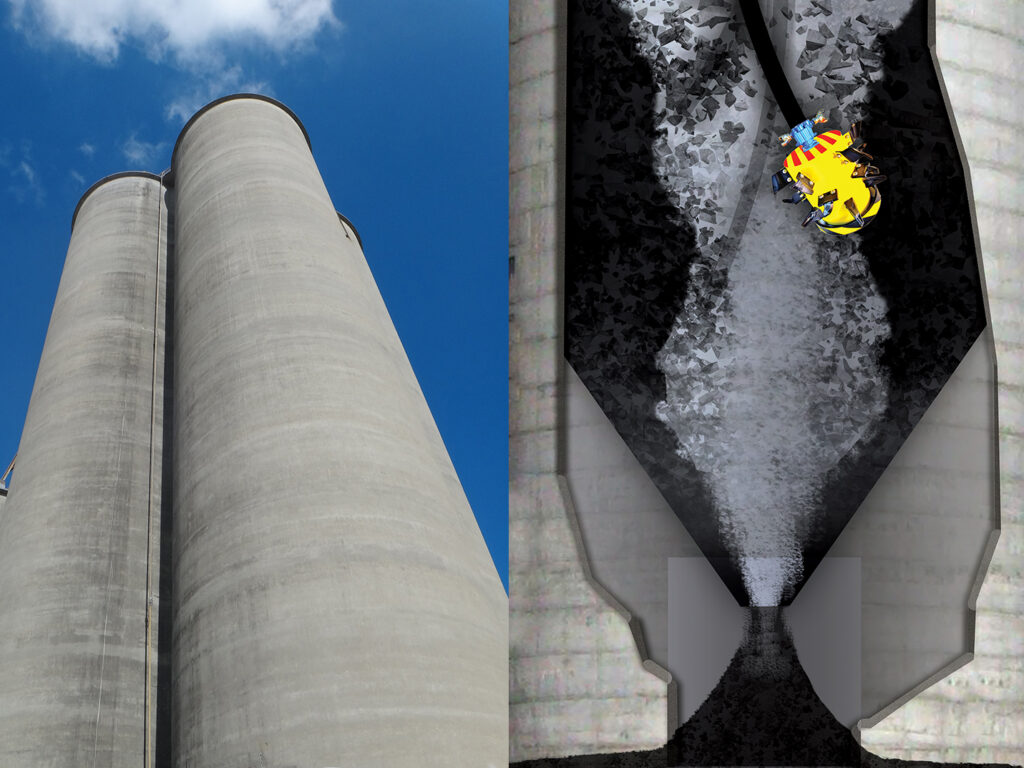
If you've noticed a change in your production schedules, a clogged silo could be to blame. As material builds up inside your silo, it causes material flow issues that can slow down your daily operations. These blockages can bring your entire operation to a standstill when left unchecked. Blockages and material flow issues can also stress your silo beyond what it was designed to withstand, resulting in delamination, cracking, and even structural wall failure. While it's true that getting your silo professionally cleaned necessitates planned downtime, that's always preferable to unplanned downtime. You can also help make the most of professional silo cleaning by choosing a silo cleaning company that can get the job done quickly without sacrificing quality or safety. Silo cleaning methods generally involve specialized equipment and vacuum truck services. Silo cleaning equipment is typically one of three different types of silo cleaning machines: whip, pneumatic, or enhanced pneumatic. The most powerful system available in the US is used exclusively by USA Silo Service. The enhanced pneumatic system, The Boss™, uses a unique clean-out head and is up to two-thirds more powerful than conventional silo cleaning methods. In addition, the Boss USA accelerates the cleaning process by removing more material faster and more efficiently than any other clean-out method, including the whip system. Our silo-cleaning machine is the boss of silo cleaning because it is the fastest and most efficient approach in the industry. This means less time spent on-site and less downtime, which equals immediate cost savings. USA Silo Service further maximizes your cost savings by evaluating material removed during cleaning to see if it can be salvaged for use. Anything that cannot be used can be removed via our vacuum truck service. Schedule your next silo cleaning today. The Boss silo cleaning machine and USA Silo Service can help you get back on a regular silo cleaning schedule to maximize your efficiency, production, and safety. Get a Quote for Silo Cleaning
Silo Construction That Can Hold Up Under Pressure
Storage silos, bins, and silo buildings fail at a higher rate than almost any other form of industrial equipment. That's because silo failure can include minimal events that do not cause safety concerns and catastrophic events where the silo and stored material are lost, neighboring structures are damaged, and serious injuries or death occur. To help ensure your silo can withstand daily stresses from stored materials and adverse weather, selecting the most durable silo construction material is essential. Both steel and concrete silos are commonly used in industry to store ash, coal, lime, aggregate and more. Yet there is a clear winner when it comes to the durability of steel versus concrete for silo construction. Steel structures are notoriously susceptible to costly corrosion issues, especially with corrosive or moist stored materials. They are also highly susceptible to catastrophic failure from extreme weather conditions, including high winds. Concrete silos are favored over steel silos because they can withstand various harsh weather conditions and pressures that would cause steel silos to buckle. Concrete silo construction also provides better corrosion resistance, including corrosion of internal walls due to the stored bulk solid and external corrosion caused by moisture. Concrete offers numerous advantages over steel in silo design and construction, resulting in minimal maintenance to sustain overall function and safety. However, all silos, regardless of construction material, are still susceptible to deterioration and wear due to environmental conditions and structural stress from normal usage. Periodic inspections can locate areas of concern and prevent issues, such as wall failure, cracking, and structural deterioration, that could lead to workplace injuries or deaths. Silo failure can happen for a number of reasons that are often preventable and easily corrected if caught early. A proactive inspection program can safeguard your team members and ensure your structures' safety and continued operation. Ready to move forward with the construction of a new silo? Learn how to choose a silo contractor or schedule an inspection of your existing structure.
Fall Back on Proven Silo Cleaning Techniques
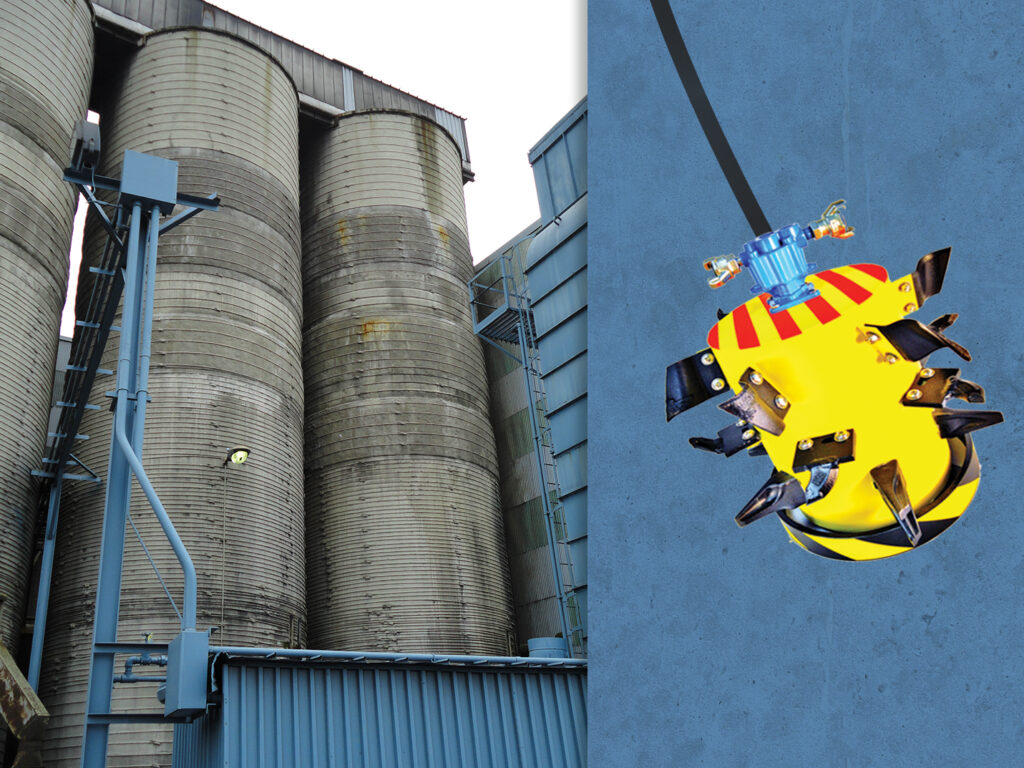
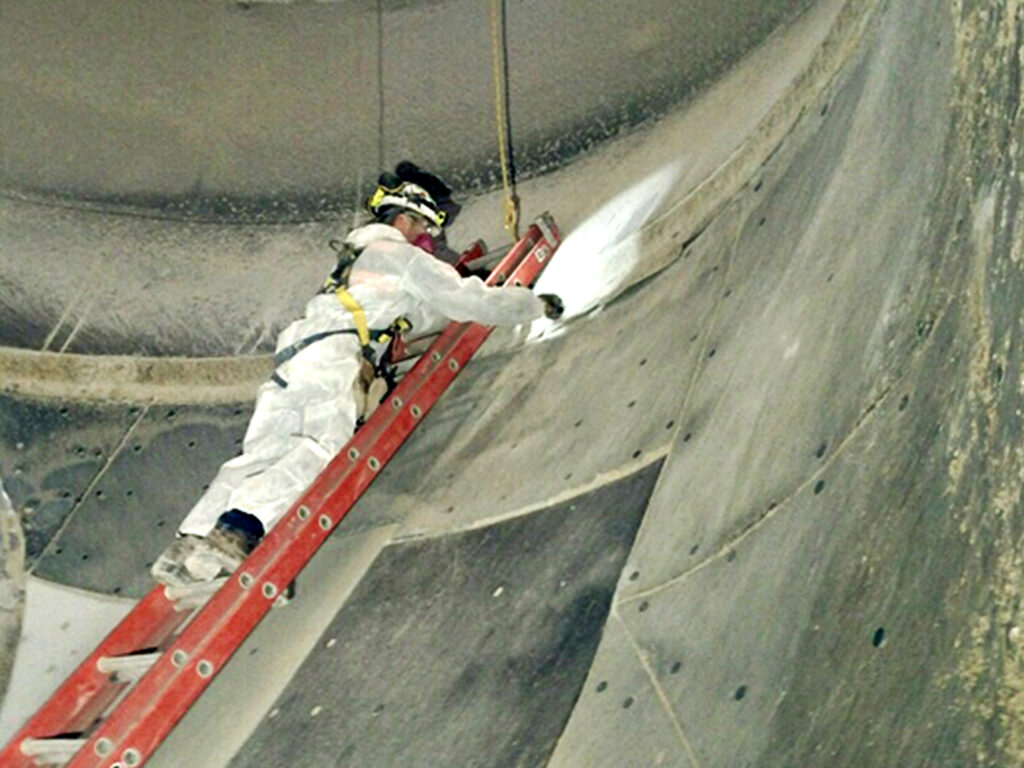
All silos eventually need to be cleaned. When the time comes for either routine silo cleaning or material buildup removal, it's best to count on silo cleaning methods that have been proven for safety and efficiency. Manual Silo Cleaning When looking to cut overhead costs, companies often postpone essential silo cleaning or attempt to remove silo blockages or material buildup using in-house labor. However, both of these approaches are not only inefficient, they are extremely dangerous. Failing to follow through with regular silo cleaning can put your silo at risk of catastrophic failure. Material flow issues disrupt the equal distribution of pressure on silo walls. This can lead to stress beyond what the silo was designed to withstand, resulting in delamination, cracking, and even structural wall failure. Unskilled labor used for silo cleaning can lead to structural failure and other costly damages. Falling materials dislodged during manual silo cleaning can damage silo cones, break through walls, or lead to severe injury and even death. When it comes to manual silo cleaning, the bottom line is that it is unsafe. Manual silo cleaning often relies on dangerous confined-space entry. Not only does this put workers at risk of injury from falling materials, but toxic fumes or unsafe oxygen levels are also huge risks. Professional Silo Cleaning Techniques When looking for proven silo cleaning methods, it is essential to employ qualified, trained silo cleaning professionals. A professionally cleaned silo maintains workplace safety and decreases the potential liability for work-related accidents. When looking for a professional silo cleaning company, it is important to review its reputation as well as the cleaning system used. A professional silo cleaning company will use a remote silo cleaning machine that safely removes material buildup, restoring your silo to its original storage capacity. Types of remote, dry silo cleaning systems include: Enhanced Pneumatic Cleaning System with The Boss™ Pneumatic Cleaning Systems Whip Cleaning Systems USA Silo Service has been cleaning all types of silos and storage domes for nearly thirty years. In that time, we've seen time and time again the enhanced pneumatic cleaning method with our proprietary cleanout head is the most powerful silo cleaning method available. Our proven silo cleaning techniques get the job done quickly, effectively, and safely every time. When combined with our vacuum truck services, we can quickly remove or relocate silo debris recovered during cleaning. That's why we're the go-to silo cleaning company for expert silo cleaning. Request a Silo Cleaning Quote
Silo Repair Can Extend the Life of Your Silo
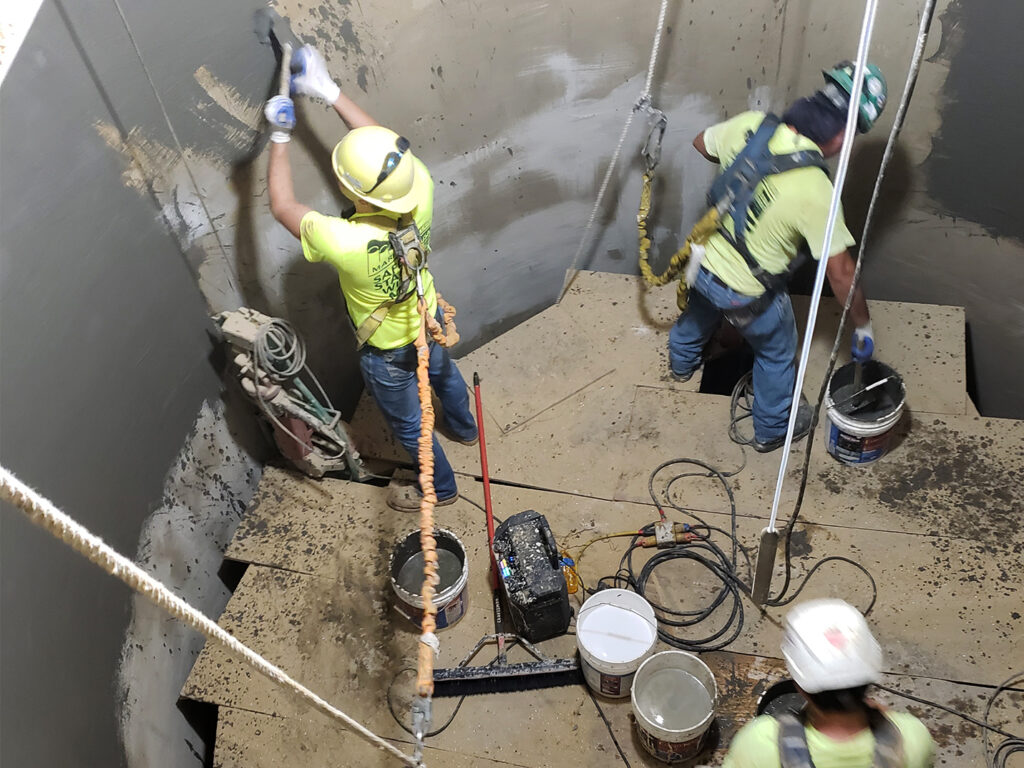
Silos can be costly to maintain if you don't do the essential repairs to prevent further deterioration of the silo. In any repair, Marietta Silos tries to identify the root cause of the damage to the silo and incorporate those findings into our restoration and design procedure. Silo Roof Beam Repair The silo beam pocket rests on a bearing plate to support the roof. Beam pockets are a critical point in the silo as these roof beams hold up the roof slab and all the necessary equipment to operate the bulk storage system. Often the concrete under the plate spalls leaving the beam pocket at risk for failure. The structural integrity of the beam pocket is reestablished by having structural steel placed to ensure the integrity of the repaired beam pocket. A high-strength, non-stick grout is used to patch the spalled area. Silo Wall Delamination Delamination of concrete is caused by the lack of bonding to the interior structural steel reinforcement of the silo, which weakens the silo's structural capacity. To repair silo wall delamination in extreme cases, additional reinforcement may be added to the silo wall or a new concrete steel reinforced liner can be installed, returning the silo to normal operating conditions. Be proactive with silo repair – contact us to request a quote.
Vacuum Up All That Loose Material
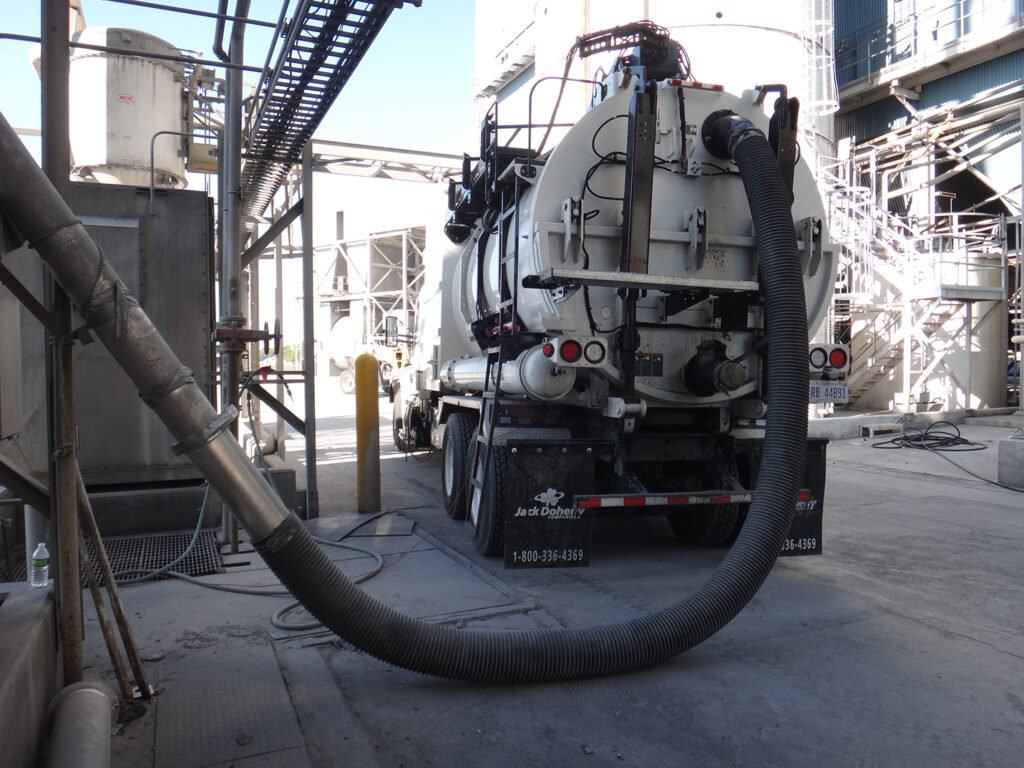
When material buildup is cleaned from silos or storage domes, it has to go somewhere. Our vacuum truck services make it easy to relocate loose material dislodged during the cleaning process without slowing down the total project time. When USA Silo Services conducts a professional silo cleaning job, we evaluate recovered material to see if it can be salvaged for sale. Through our material disposal and vacuum truck service, valuable material is moved to a safe place while any debris that cannot be sold is taken to the dump. USA Silo Services uses the industry's most powerful silo cleaning technology. Our cleaning methods include the proprietary cleaning method, the Boss™, which is two-thirds more powerful than conventional silo cleaning techniques. In addition, the Boss silo machine is designed to accommodate variable unique clean-out head attachments selected by our field crews to match the type of material being removed. As a result, the Boss accelerates the cleaning process by removing more material faster and more efficiently than any other clean-out method, even on the toughest jobs. USA Silo Service is your go-to silo cleaning company for expert silo cleaning. Our team of experts is equipped with the industry's best silo cleaning techniques and proprietary equipment, so the job is done quickly and correctly. No matter your silo type or stored material, we leave your silo and your facility cleaner than when we found it. Request a Silo Cleaning Quote
Silo Flow Pattern Makes All the Difference

Concrete silos have four different flow patterns depending on the construction, cone angles, and stored material. These flow patterns dictate how stored material moves through your silo. Mass Flow Silo First out flow sequence Segregated particles remix as discharged Ideal for coal, other combustible or perishable materials Funnel Flow Silo Middle first flow sequence Should be emptied regularly Ideal for coarse, non-degrading solids with minimal segregation and free flow Expanded Flow Silo Middle first flow sequence Should be emptied regularly Ideal for large diameter silos with short-term storage Fluidized Flow Silo Fluid-like flow sequence Fine powders are aerated as discharged Not suitable for combustible materials Once a silo begins to lose flow, this accelerates the buildup over time and can lead to additional blockages. While these are the standard flow patterns for concrete silos, the unique shape of concrete domes creates a non-standard flow pater that can increase the likelihood of material buildup. The shape also makes removing said buildup from dome walls and fluidizing equipment more difficult. In both concrete domes and concrete silos, however, once material flow begins to slow, material buildup accelerates and can lead to additional blockages. Proper material flow in silos is important for more than just production schedules. Issues with material flow can cause increased stress on silo walls that may go beyond what the silo was designed to withstand, causing cracking, spalling, wall separation, or structural failure. Proper cleaning and care will increase your silo's useable lifespan and minimize big-ticket repair and cleaning costs. It can also allow you to recover stagnant material that has built up inside the silo. Find out more about the different types of concrete silo flow patterns or schedule your next silo inspection. Schedule a Silo Inspection
Maintain Your Silo for Years to Come
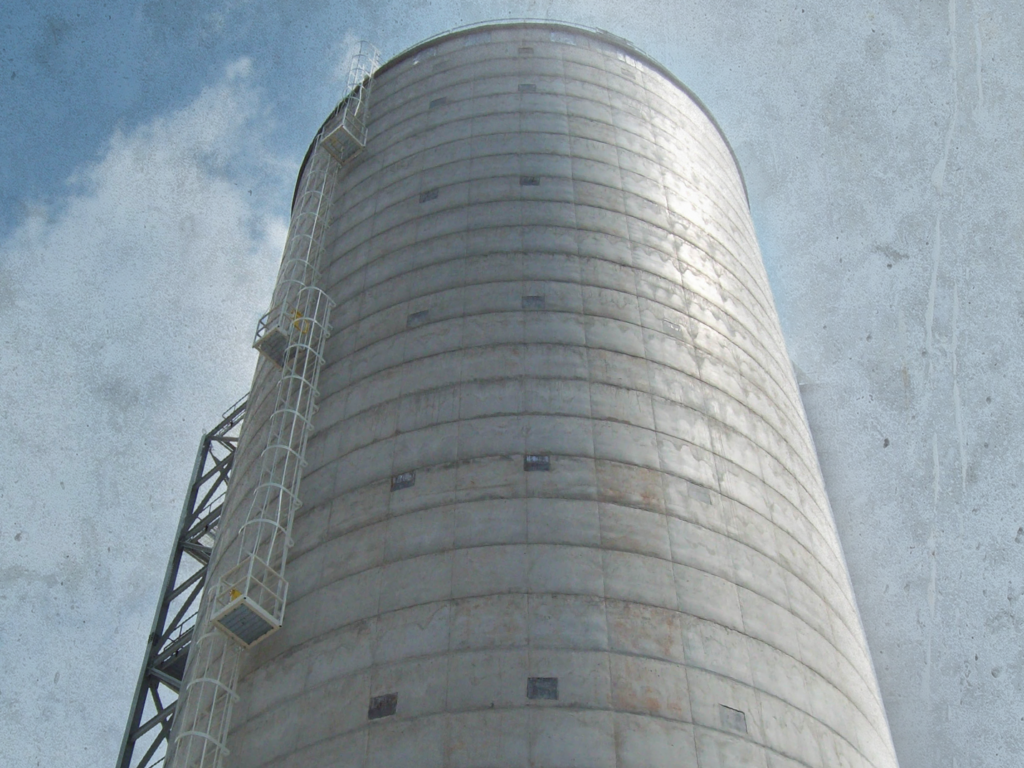
Maintaining your silo for years to come starts with just that – maintenance. While you might not be able to control every factor that can impact your production schedule, you do control your silo maintenance. Proactive maintenance is the most effective method to ensure the integrity of concrete and steel silos. If a silo falls and no one is around to get hurt, does it still cost you big time? Keeping up with preventive maintenance is crucial to increasing the life of your silo, as silo failures are often easily prevented. Many structural silo issues can be easily and economically addressed if caught and addressed early. Prevent the Problem with Regular Silo Maintenance A silo maintenance program should be comprehensive and include routine silo cleaning as well as inspection. Bundling these services allows a professional silo inspector to view all areas of the silo interior and catch any causes for concern before they become major and expensive problems. Regular silo inspections should happen either annually or at two to five-year intervals, depending on several key factors that influence how often you need a silo inspection. Sticking to a schedule recommended for your specific industry and practices ensures the early identification of problems that increase the risk of silo collapse or structural failure. So how do you know what silo maintenance is needed to prolong its useful life? Following a thorough, professional silo inspection, you receive a detailed list of recommended maintenance. Implementing the recommended repairs and preventive maintenance sooner rather than later helps keep your silo healthy and can prevent larger, more expensive repairs later. Just as routine silo inspections are an essential component of your maintenance program, so are regular cleanings. Regularly cleaning your silo can help keep it operating efficiently and limit potential liabilities. With rising temperatures comes rising humidity – a natural enemy of many stored materials that hydrate and cause blockages as well as lost product. Regular cleanings also increase your silo's usable lifespan, minimize big-ticket repairs, and avoid more costly cleaning expenses. Silos that are emptied regularly and refilled will not have the same buildup issues as silos that are kept topped off, but every silo can benefit from a regular cleaning schedule. Schedule a Silo Inspection
What Time of Year Should I Schedule Silo Repairs?
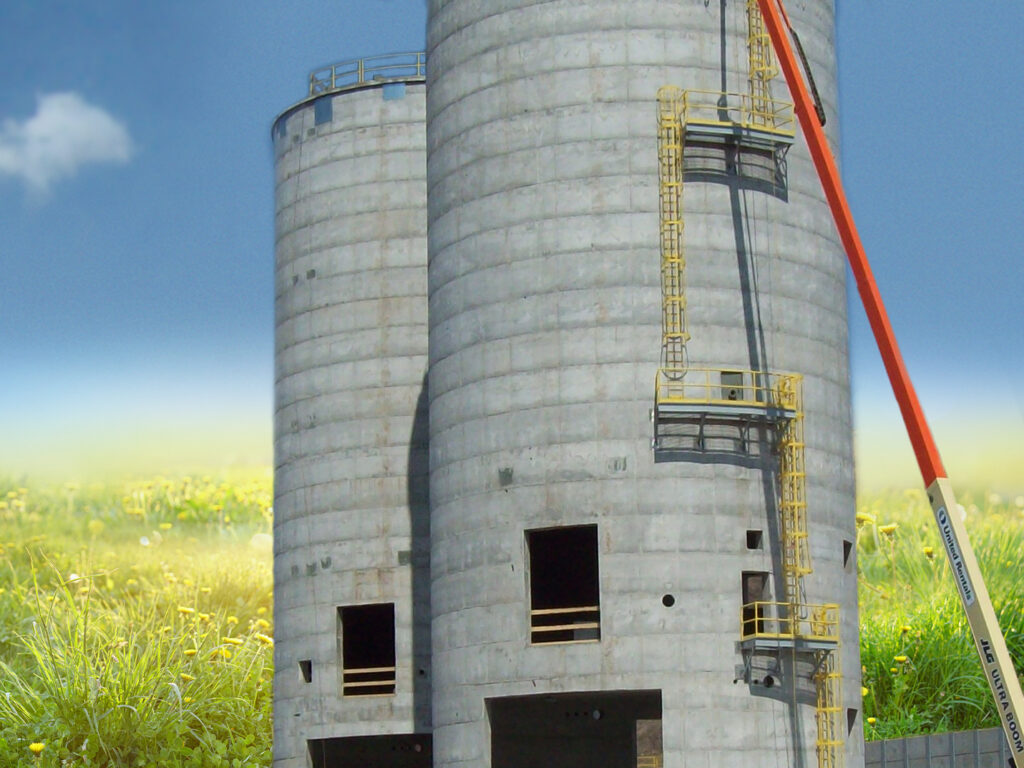
When to schedule silo restoration depends on more than the condition of your silo. While it is never advisable to postpone necessary silo repairs, the time of year you schedule your silo repair or restoration can impact your bottom line. 4 Weather Conditions That Can Impact Silo Restoration The same weather conditions that can impact the performance and lifespan of your silo, extreme heat or cold, heavy rain, and severe wind, can also affect silo restoration. Work undertaken during extreme temperature conditions can be slower, while heavy rain can make it difficult or impossible to repair concrete or apply waterproof coatings. When the silo roof or other high areas of the silo need to be repaired, high winds can pose safety risks during the restoration process. Spring into Silo Restoration Scheduling routine maintenance during temperate times of the year can help you reduce expenses by catching and addressing problems early and reducing downtime. Temperate times of the year, like the spring and fall, tend to provide better working conditions for a variety of silo repairs. These ideal weather conditions can make a repair or restoration go more quickly – reducing the cost of labor and your downtime. Types of Silo Repairs Emergent silo issues or a silo that shows signs of new or worsening damage should be inspected as soon as possible. Regularly viewing the silo exterior can help facilities find new or worsening issues that might necessitate earlier or more frequent inspections. For silos that were properly designed and constructed, much of this damage is preventable or can be minimized by regular inspections, silo maintenance and a full understanding of proper procedures. Routine inspections identify minor issues as well as more serious problems that can lead to preventable structural failures like silo collapse. Common problems that cause concrete structure and concrete silo failure include foundation deterioration, roof collapse, unsuitable material filling and unloading procedures, silo wall delamination or deterioration, and silo discharge cone or bin floor issues. Additional important silo maintenance includes airflow unit inspection and regular, professional silo cleaning to avoid material buildup issues. When it comes to steel silos, they often suffer from corrosion and buckling, which can be inspected using wear-measure thickness ultrasonic gauges. Marietta Silos can address these concrete silo issues and any other necessary silo restoration types, regardless of stored material. Repairing silo problems quickly, before they become an emergency, helps save money and can reduce or eliminate safety issues. The long-term savings, reduced liability, and reduction of unplanned downtime that results from professional silo inspections and silo restoration should be seen as an investment as it is far cheaper to address issues early before they lead to silo failure. Plan a Silo Restoration
Schedule Your Dome Cleaning Services

USA Silo Service can clean, inspect, and maintain your concrete storage dome. Most domes are situated at a 35-degree angle and can range from 150 to 250 feet in diameter. The unique shape of the storage dome creates a non-standard flow pattern that makes material build up much more likely and much more difficult to remove from dome walls and fluidizing equipment. Concrete storage domes suffering from restricted airflow need comprehensive cleaning and maintenance. Hardened stored material that is caked on dome walls needs to be removed through professional cleaning to return the dome to its original efficiency. Air pads and other fluidizing equipment may also need to be restored or replaced if there are signs of corrosion or defects affecting its usability. Bulk storage is the term for buildings that store bulk commodities such as cement, sand, frac sand, salt, fertilizer, feed, grains, aggregates, carbon, chips, seeds, peanuts, coke, blasting powder – and the list goes on. Regular professional silo cleaning is a necessary tool that ensures maximization of production while protecting employee safety. All too often, however, we postpone silo cleaning to delay the economic effects that downtime and lost production may bring. When regularly cleaned by a professional silo cleaning company, a silo yields maximum production while providing a safe working environment. So how do you have your silo regularly cleaned, minimize downtime and save money in the process? The USA Silo Service solution is employing The Boss proprietary silo cleaning method, which is 2/3 more powerful than conventional cleaning methods. Since The Boss moves more material per hour, our system delivers optimal cleaning quickly and correctly, resulting in less downtime and production loss, ultimately saving you money. So don't put off that silo cleaning any longer. Let The Boss silo cleaning machine and USA Silo Service help you get back on a regular silo cleaning schedule to maximize your efficiency, production and safety. Contact us for a dome silo cleaning quote.
Stave Silo Construction
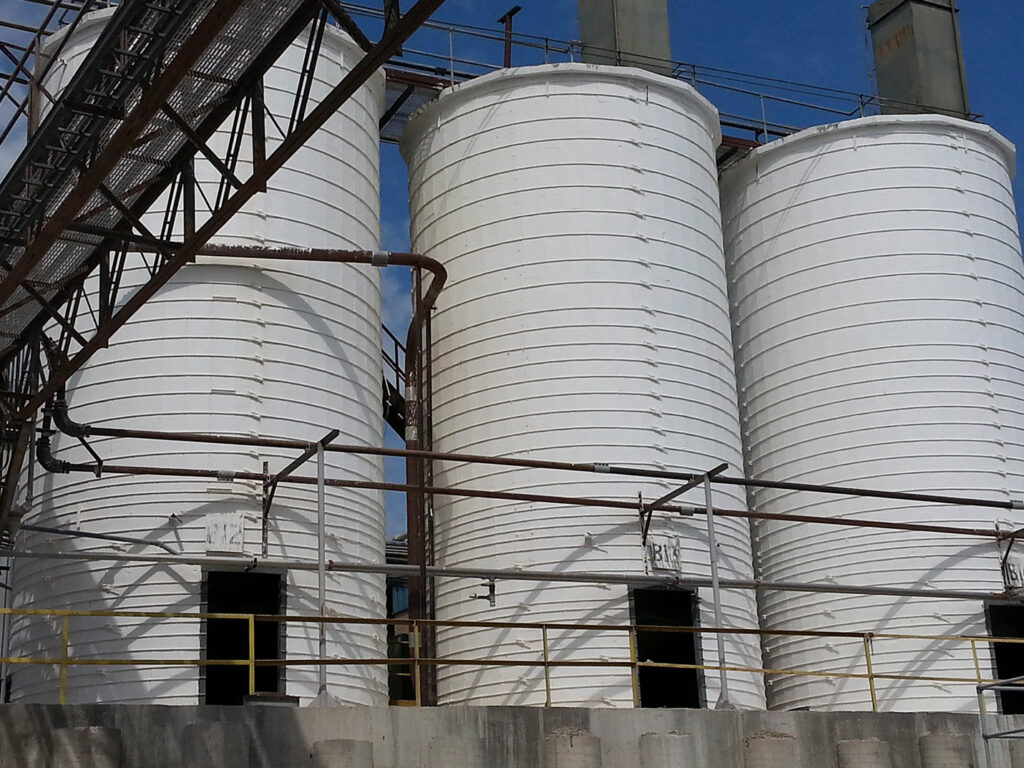
Silo construction has been an integral part of Marietta Silos services since 1916. Stave silos are among the types of silo construction methods that are used to create a silo that is suited for your current material handling needs. Other silo construction methods include jumpform and slipform silos. Marietta Silos developed the technology for stave silo construction back in 1920 and is the only company today that produces stave silos at a thickness of 5 ¾" which creates added durability. Reinforcements like galvanized hoops are often used to help compress the silo walls and introduce tension for increased stability. Stave silos utilize an interlocking technology using precast concrete blocks which enables the stave silo to manage your silo needs for years to come. Internal joints of stave silo interior and exterior walls need to be sealed using cementitious coatings which creates a smooth outward appearance when the stave silo is completed. Multiple discharge types may be used when constructing a stave silo including flat floor, cone, tunnel discharge, and side discharge. If you're thinking about starting your own silo construction project, contact the experts at Marietta Silos. Marietta Silos brings over a century of silo construction and design experience to walk you through the steps of deciding what silo type and sizes will work best for your particular application. Links: Watch our Silo Construction Video: https://www.youtube.com/watch?v=qFRzM86qDyA&t=73s Start Your Silo Construction Project: https://www.mariettasilos.com/silo-construction#stave-silos