
Marietta Silos is a leader in concrete silo construction, engineering, and design. As a full-service industrial silo contractor, we specialize in safe, efficient, and customized silo construction solutions for a wide range of industries.
We design and build custom concrete silos using proven Jumpform, Slipform, and concrete stave silo construction methods. With more than 100 years of experience in silo engineering and construction, our team helps determine the ideal silo type, size, and structural design for your specific application.
Marietta Silos owns the proprietary Jump-O-Form® construction system — an advanced form system engineered for safe and economical concrete silo construction. This system is the only silo construction platform that complies with updated OSHA 125-foot regulations, ensuring enhanced safety and performance on every project.
Marietta Silos designs and builds concrete storage silos to hold a wide range of materials in various ways. Each construction method has benefits that must be considered after determining the necessary size, material stored, and site requirements.
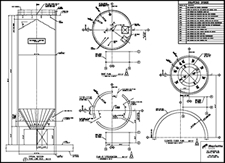
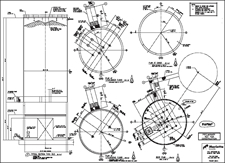
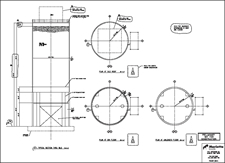
The design and construction method of a silo depends on its required capacity, stored material, and structural demands. Marietta Silos evaluates material characteristics, flow patterns, load requirements, and site conditions to determine the optimal construction approach for each project.
We utilize both Jumpform and Slipform construction techniques, allowing us to build a wide range of diameters and heights without limitation. This flexibility ensures each structure is engineered for performance, durability, and long-term operational efficiency.
Jumpform silo construction is a cost-effective solution for many industrial concrete storage applications. The forming system can be delivered and assembled quickly, allowing the first concrete pour within approximately one week. Because Jumpform follows an incremental construction schedule rather than a continuous pour, overall project costs are typically reduced by up to 20 percent compared to Slipform silo construction.
This method is ideal for concrete storage silos ranging from 10 feet to 80 feet in diameter. The reusable Jumpform framework creates a safe, circular interior work deck, minimizing exterior job site footprint while maintaining efficient access during construction. Once the structure is complete, the form system is dismantled and removed efficiently.
The controlled pour process allows additional time for detailed quality inspections of forming systems, reinforcing steel, and embedded components before each concrete placement. Combined with Marietta Silos’ horizontal construction joint design, this results in a highly durable, leak-resistant structure engineered for long-term performance.
Jumpform construction is often the preferred method for silos under 80 feet in diameter. Marietta Silos is the only Jumpform manufacturer in the United States that complies with updated OSHA 125-foot scaffolding requirements.
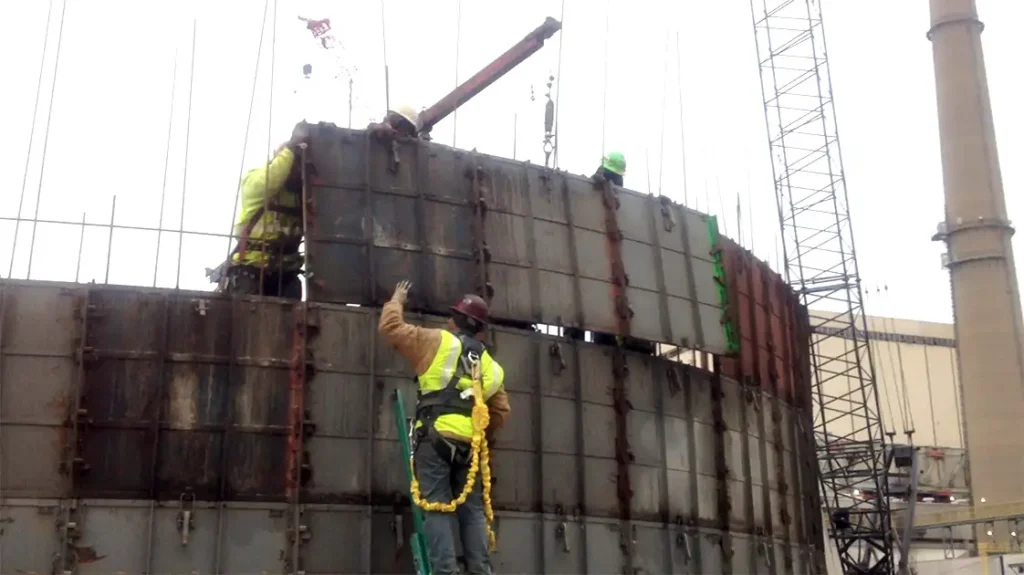
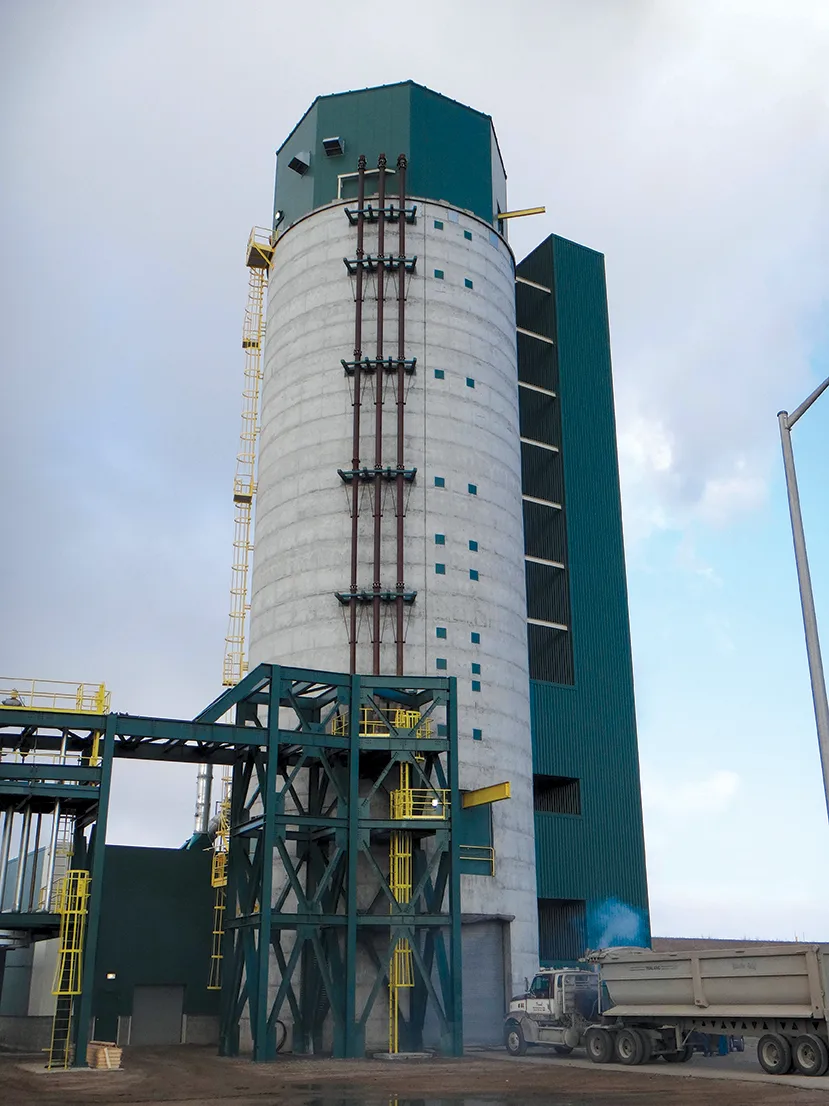
Slipform silo construction is typically preferred for large-diameter concrete storage silos exceeding 65 feet. This method uses a continuous, monolithic concrete pour, creating a seamless wall structure with a smooth exterior finish and enhanced structural integrity.
Because Slipform construction requires an uninterrupted 24-hour schedule, crews work continuously until the structure reaches full height. While this accelerated wall-forming process can reduce vertical build time, it requires a custom-built form system for both interior and exterior surfaces, along with specialized equipment and round-the-clock labor.
The Slipform system integrates interior work decks and finishing scaffolding supported by hydraulic jacks and vertical jack rods. As the forms gradually rise — approximately one foot per hour — crews simultaneously place reinforcing steel, embedments, and fresh concrete while finishing exposed wall surfaces. This coordinated process produces a structurally continuous concrete silo engineered for durability and high-capacity industrial applications.
Slipform construction is often the optimal choice for silos exceeding 65 feet in diameter or for projects requiring multiple large-scale structures constructed concurrently.
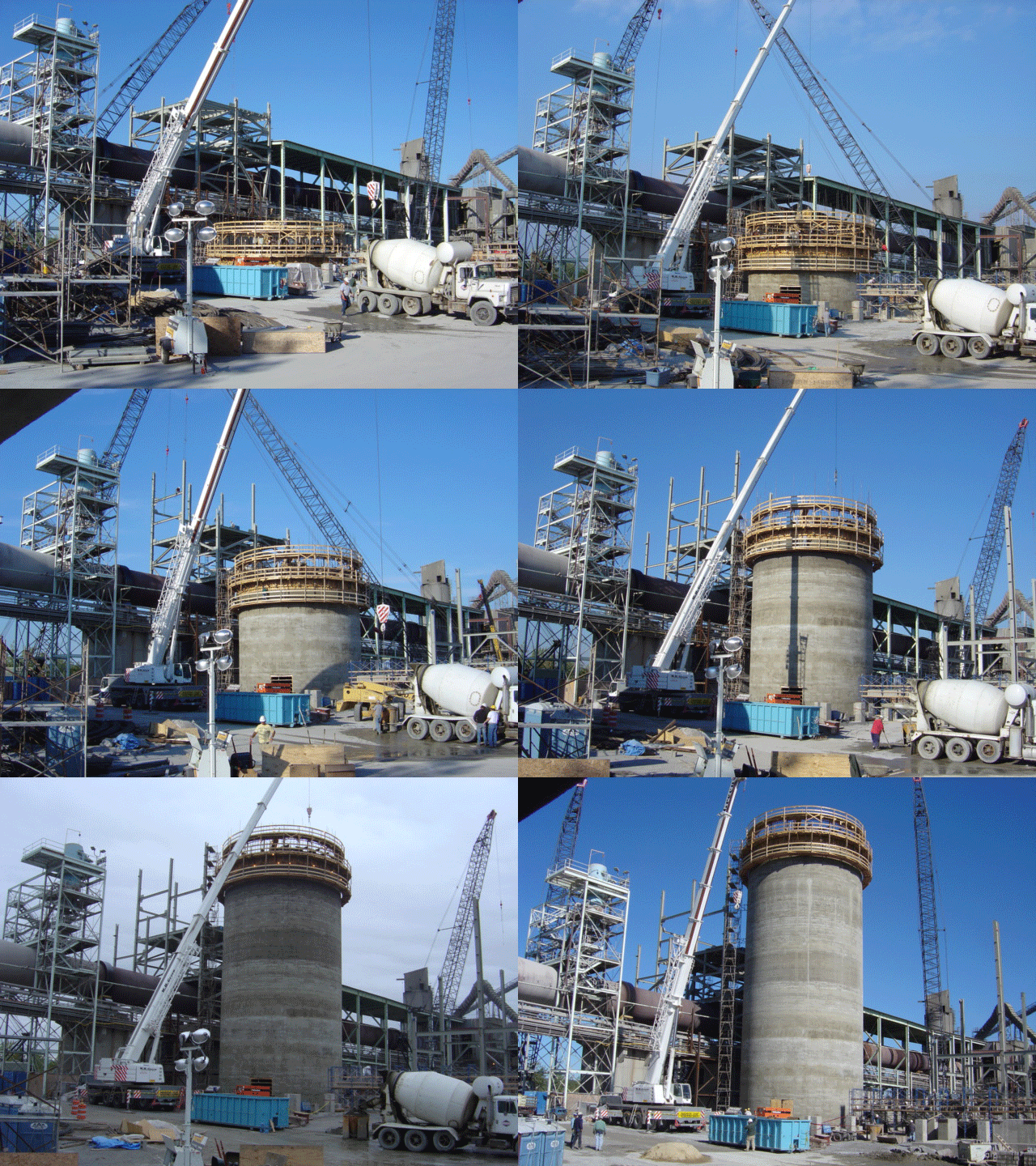
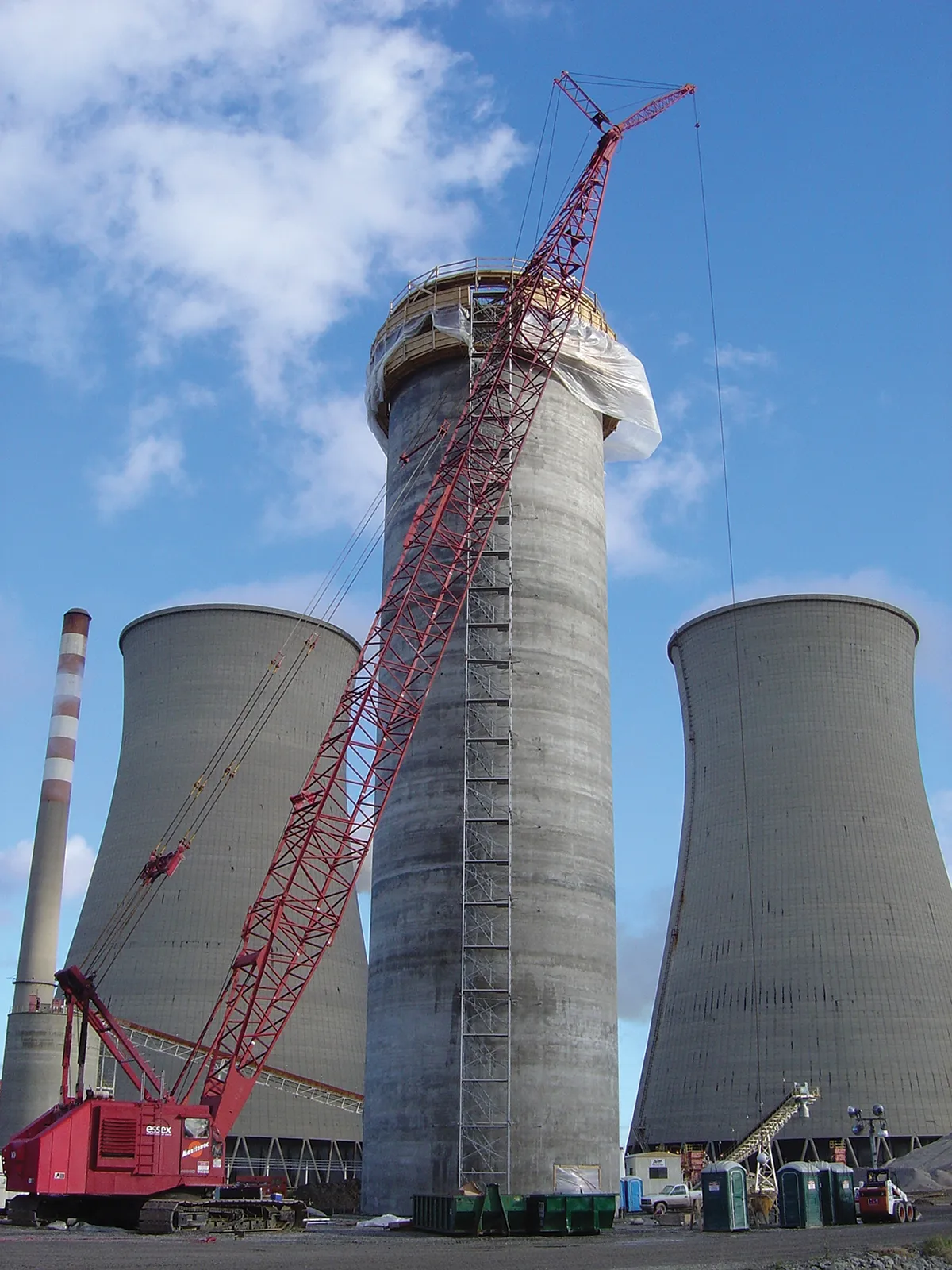
Marietta Silos has led the industry in concrete stave silo construction since pioneering the technology in 1920. This time-tested method uses precision-engineered precast concrete staves that interlock to form a durable, structurally sound storage system.
Standard staves measure approximately 10 inches wide by 30 inches tall, with thicknesses starting at 2 inches. Marietta Silos is the only manufacturer in the United States producing 5¾-inch-thick staves for enhanced strength, impact resistance, and long-term durability. Exterior galvanized steel hoops provide continuous compression, delivering the tensile reinforcement required for structural integrity.
Cementitious interior and exterior coatings seal stave joints and create a smooth, protective finish. Integrated bonding and waterproofing systems further enhance corrosion resistance and extend service life by protecting both the concrete and steel components.
Concrete stave silos offer exceptional flexibility and cost efficiency. They can be engineered with multiple discharge configurations, including cone bottom, flat floor, side discharge, and tunnel discharge designs to meet specific operational requirements.
Effective silo design begins with understanding the material being stored, required capacity, and material handling systems. Marietta Silos engineers custom storage structures tailored to bulk material characteristics, discharge requirements, and site conditions.
The lower section of the silo is critical, as material loads and wall pressures directly impact structural performance and flow efficiency. Proper hopper design, outlet sizing, and reinforcement ensure reliable discharge while minimizing bridging and uneven load distribution.
With decades of experience in industrial silo engineering and material flow analysis, we deliver storage systems built for safety, durability, and long-term performance.
Flat bottom silo floors are commonly used for materials requiring fluidization systems, such as cement and fly ash. These designs allow air slides to be bolted directly to the floor or mounted on cast-in plinths for efficient discharge.
When structural columns are required below the floor, coordination between the silo engineer and material handling team ensures proper load distribution and operational efficiency. Equipment floors can also be engineered to support mixing, conditioning, and unloading systems.
Cone bottom silo designs are used to promote controlled material flow and complete discharge. In large-diameter silos, the cone is supported by the bin floor, creating a stable and low-risk structural solution.
For smaller diameters, a steel cone may be suspended from the silo wall, allowing the structure to support the hanging load. Cone geometry can be customized to achieve specific flow patterns, reducing bridging, funnel flow, and potential safety hazards.
Silo construction is the process of designing and building storage silos for bulk materials like grain, cement, fly ash, or aggregates. It involves selecting the right material, foundation, wall thickness, and construction method to ensure durability, safety, and efficient storage.
Silos are constructed using steel or concrete, depending on the storage needs and environmental conditions. Concrete offers durability and resistance to fire and corrosion, while steel is lighter and faster to install, but requires ongoing maintenance.
Concrete silos are often built using Slipform or Jumpform methods, while steel silos are assembled using bolted or welded panels. Proper engineering ensures structural integrity and long-term performance.
Common silo types include:
Slipform silos are faster to construct and ideal for diameters over 65′. Jumpform silos are more economical and have traditionally been used for diameters between 10’–65′; however, Marietta Silos recently introduced the world’s largest Jumpform system, which now supports silos up to 80′ in diameter. Both methods produce high-strength silos tailored to bulk storage needs.
Concrete silos provide greater durability, safety, and lower long-term maintenance compared to steel, which is more susceptible to corrosion, denting, and wind damage. Concrete is often safer and more efficient for industrial and agricultural storage.
Construction timelines depend on silo size, type, and complexity. Steel silos can often be completed in weeks, while large concrete silos may take several months, including foundation, wall construction, and finishing.
Factors include silo size, material, foundation type, environmental conditions, and additional features like aeration, temperature monitoring, or safety equipment.
With proper construction and maintenance, concrete silos can last 50–75 years or more. Steel silos generally have a lifespan of 25–40 years, depending on upkeep and environmental exposure.
Silo construction starts with site assessment and design, followed by foundation preparation. Concrete silos are built using slipform or jumpform methods, while steel silos are assembled with bolted or welded panels. Roof installation, internal systems, and a final inspection complete the process to ensure durability, safety, and efficiency.